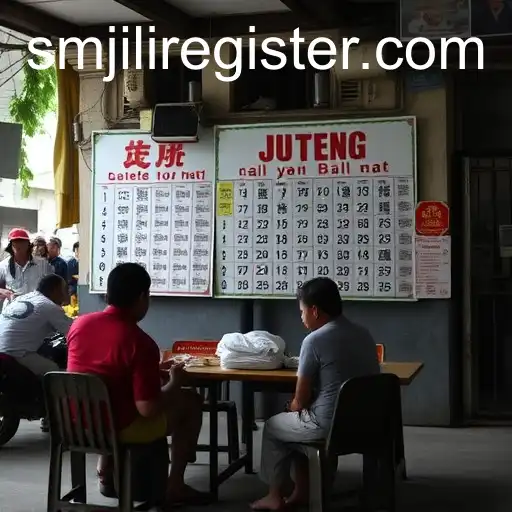
The Intricacies of Jueteng: Understanding the Phenomenon
Jueteng is a deeply entrenched numbers game that continues to thrive in certain regions despite its illegal status. Known for its association with betting and community bonding, jueteng remains a pervasive force in certain cultural contexts. This game involves participants selecting numbers from a predefined set, hoping to match the winning numbers drawn. Jueteng, although outlawed, has an indelible presence that reflects the complexities of social, economic, and political fabrics in which it exists.
The Origin and Roots of Jueteng
Jueteng’s origins trace back to local traditions. The mechanics of the game are simple yet compelling: bettors select numbers between one and thirty-seven and place wagers. A draw is then conducted thrice daily to determine winners. This simplicity, coupled with the potential for substantial earnings, makes jueteng quite attractive to bettors.
The game’s name is derived from Chinese terms, showcasing an amalgamation of cultural influences. As with many gambling activities, jueteng thrived due to a combination of cultural acceptance and the community’s need to find immediate monetary relief in their daily lives. Its persistence today indicates a societal reliance that goes beyond mere entertainment.
Jueteng’s Socio-Economic Impact
Jueteng is not just another numbers game; it has significant socio-economic impacts on the communities involved. It offers immediate income opportunities for those acting as cobradores (collectors) and other personnel involved in the operation. For many, it represents a viable source of income in areas where jobs are scarce.
Yet, jueteng’s contribution to local economies is double-edged. While it provides cash flow for some, it also perpetuates a cycle of gambling addiction and financial instability for others. The prospect of striking it rich with a small bet is tempting, yet often, it leads to financial hardship for those who cannot afford to wager their limited resources.
The Shadow of Jueteng’s Political Influence
The influence of jueteng extends beyond economics into the realm of politics. Allegations and scandals involving its operation have implicated various public officials, demonstrating its role in the political landscape. The revenue generated from jueteng is substantial, and unscrupulous politicians have been known to benefit financially from its protection or facilitation.
This intertwining of gambling operations and politics raises concerns about governance and the rule of law. The repeated failure to eradicate jueteng, despite numerous campaigns, highlights challenges in combating corruption and illicit activities that undermine legal institutions.
Efforts and Challenges in Addressing Jueteng
Efforts to combat jueteng have met with limited success, mired by various challenges. Enforcement is difficult due to the game’s widespread appeal and the protection afforded to operators by influential figures. Attempts to offer legal alternatives, such as state-sanctioned lotteries, have done little to dampen jueteng’s appeal.
Furthermore, the clandestine nature of its operation makes it difficult to gather evidence and prosecute individuals involved. The ability of jueteng to adapt and evolve in response to law enforcement efforts demonstrates the resilience of this activity.
Examining Cultural Perceptions
Despite its illegal status, jueteng enjoys a degree of cultural acceptance. It is woven into the fabric of daily life in communities where it operates, often viewed as a social activity and an opportunity for community bonding. The game generates social capital, and relationships are formed and strengthened through the shared experience of betting.
Cultural perceptions of jueteng vary, with some viewing it as a harmless tradition, while others see it as a societal ill that undermines moral and ethical standards. This duality reflects broader societal debates about gambling, morality, and individual autonomy.
The Path Forward
Addressing the issue of jueteng requires a holistic approach that considers its socio-economic significance, cultural dimensions, and political implications. Efforts to curtail its prevalence must contend with deeply-rooted interests and the complex interplay of various societal factors.
Potential solutions might include initiatives aimed at economic empowerment and education, providing communities with the tools needed to break free from dependence on gambling as a source of income. At the same time, rigorous law enforcement and ethical governance are crucial to tackling the corruption that allows jueteng to thrive.
As with many longstanding issues, the solution lies in balancing immediate practicalities with long-term strategies aimed at fostering sustainable change. Jueteng, while a numbers game at its core, is emblematic of deeper issues that require comprehensive and continued attention from policymakers, communities, and individuals alike.
For more stories on topics like this, visit our homepage.